
The History of Horse Racing: From Ancient Times to Modern Day
Horse racing’s history reflects a complex evolution from ancient chariot races to the sophisticated sport of today. Initially a display of skill and bravery, it transformed significantly during the 17th century with the advent of Thoroughbred racing. This period marked a pivotal shift in breeding practices and regulation, laying the groundwork for modern competition. Understanding these changes reveals the intricate relationship between culture, economy, and sport, prompting questions about its future trajectory.
Ancient Beginnings: Chariot Races and Early Competitions
The thundering of hooves and the clatter of wheels marked the dawn of competitive horse racing, rooted in ancient civilizations where chariot races captivated audiences.
Chariot innovations, including improved wheel designs and harnessing techniques, enhanced speed and maneuverability.
Ancient spectators, drawn by the thrill and spectacle, celebrated these contests as demonstrations of skill and bravery, solidifying horse racing’s legacy in human culture.
See also: The Evolution of Horse Racing Equipment and Gear
The Rise of Thoroughbred Racing in the 17th Century
As horse racing evolved, the 17th century marked a significant turning point with the emergence of Thoroughbred racing, which distinguished itself through the selective breeding of horses for speed, stamina, and agility.
The establishment of thoroughbred lineage became essential, forming a racing aristocracy that valued pedigree and performance.
This era laid the groundwork for modern racing, emphasizing the importance of bloodlines in competitive success.
The Evolution of Racing Regulations and Breeding Practices
While the popularity of Thoroughbred racing surged, it became increasingly necessary to establish a framework of regulations and standardized breeding practices to ensure fair competition and the integrity of the sport.
Over time, these breeding standards evolved, addressing issues such as lineage verification and health checks, which reinforced racing integrity.
This evolution not only fostered trust among participants but also protected the sport’s esteemed heritage.
Modern Horse Racing: A Global Phenomenon
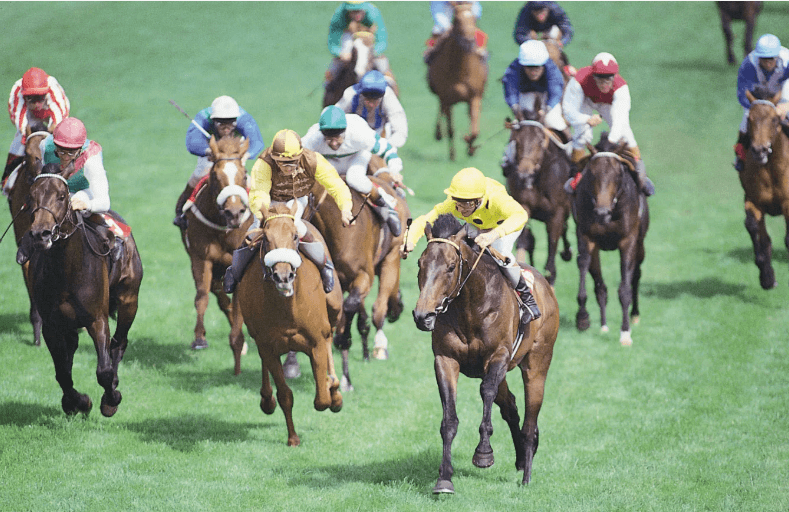
Modern horse racing has transformed into a global phenomenon, driven by a confluence of cultural significance, economic impact, and technological advancements.
This sport not only captivates millions during global events but also fosters a robust betting culture that enhances its appeal.
With innovations in broadcasting and online wagering, horse racing continues to expand its reach, inviting enthusiasts to partake in its exhilarating world.
Conclusion
Horse racing, with roots tracing back to ancient chariot races, has transformed into a global spectacle that captures the essence of tradition and innovation. As the saying goes, “the race is not always to the swift,” highlighting the importance of strategy and regulation in the sport. Today, horse racing stands as a testament to human ingenuity, blending cultural significance with economic viability, and continues to evolve as it embraces new technologies and practices for future generations.